I'm Hasan Hussein, a PPC specialist. My desk notes contain a disproportionate number of product references, descriptions of almost identical parts and questions about the one feature that makes them different.
The Search Ledger follows that interest into paid search. I like the meeting point between a technically accurate catalogue and the person trying to find something without knowing its formal name.
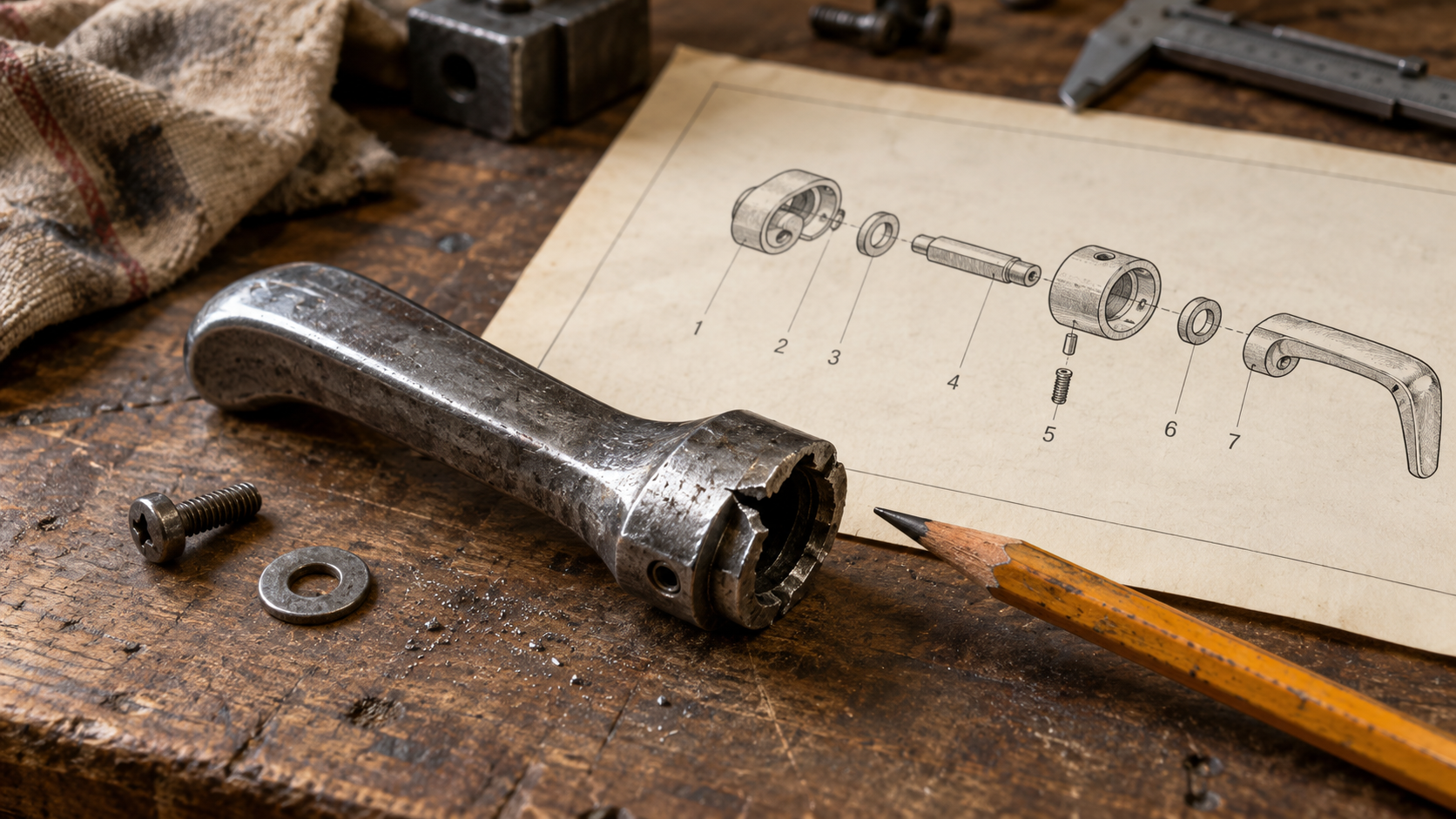
A customer might describe the fault, the equipment or the appearance of the part. The catalogue might describe an assembly, a mounting type and a precise variant. Somewhere between those descriptions, a page needs to help the customer recognise the relevant option.
That translation is the part of the work I find particularly satisfying.
A catalogue has several readers
Some people arrive with a settled reference and know exactly what they want. Others have a photograph and a problem. Others need to check whether a familiar item suits an unfamiliar arrangement.
I want the page to serve those different starting points without becoming imprecise. Friendly wording shouldn't blur a technical distinction that determines the choice.
I usually begin with a manageable product family. The relevant colleague can explain the decisive characteristics, the common misunderstandings and the circumstances that need advice. Search phrases and enquiry questions then give us another view of how customers approach that family.
I keep a small record of the formal name, verified everyday descriptions and the detail that separates the options. That record can support advertisements, titles, photographs and enquiry prompts.
It is less exciting than announcing a new framework. It is also rather easier to use on a Tuesday afternoon.
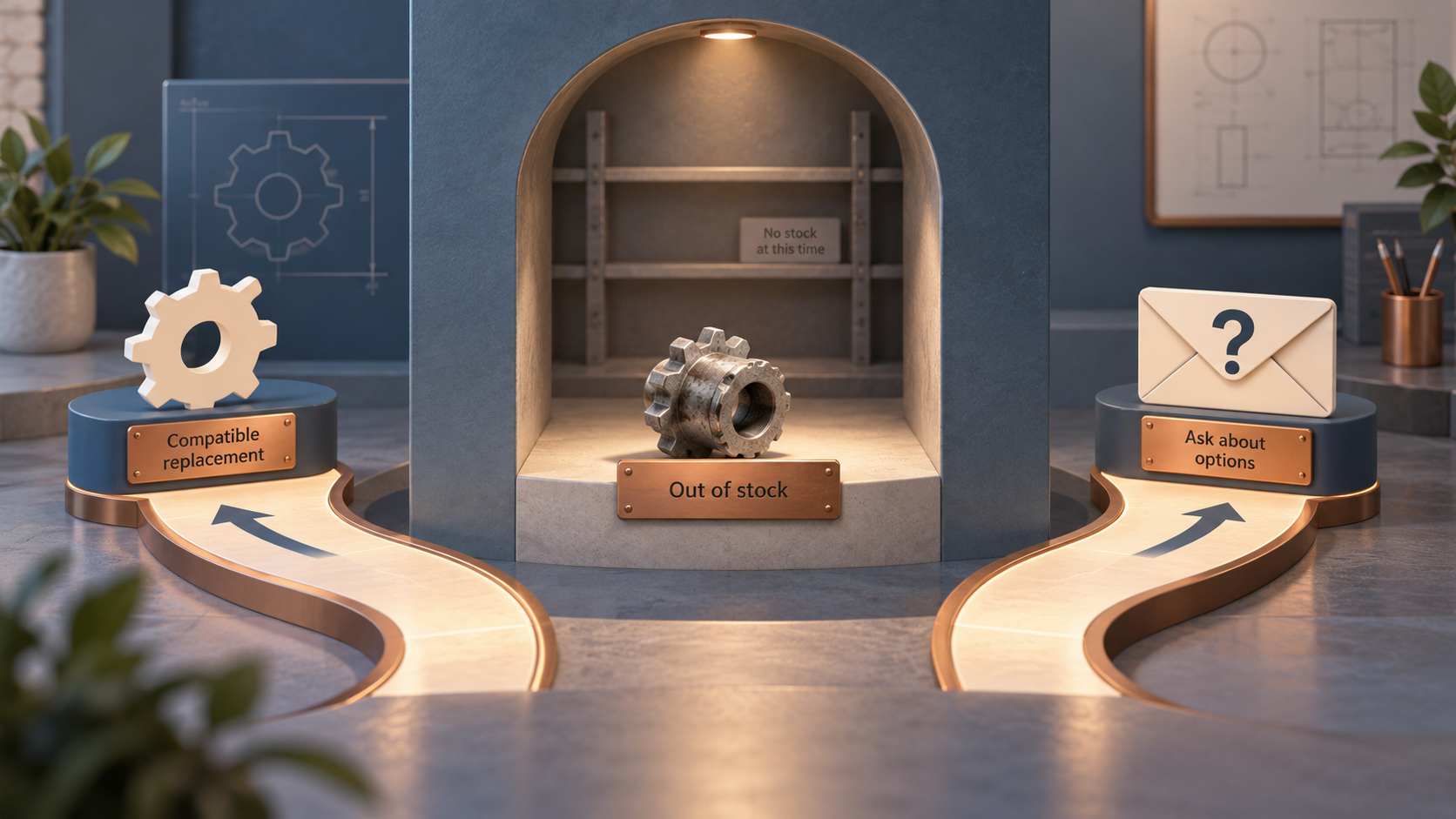
Availability, replacements and the route to advice deserve attention alongside the product description. An unavailable part can still lead a person to a useful answer if the page explains its status honestly.
A title has a different job from a specification table. A photograph can reveal something a compressed label cannot. An enquiry prompt should ask for information that helps somebody answer the actual question.
I enjoy sorting those jobs out. I am less enthusiastic about asking the title to carry every fact until it resembles an overpacked suitcase.
The product team should confirm the limits of the explanation. Marketing can make those limits understandable; it shouldn't quietly decide compatibility because the page would be neater with a confident answer.
That is a useful boundary to remember before an attractive phrase becomes a promise.
The ledger is a working notebook
The writing here is semi-professional in the fairly literal sense: the subject deserves care, and the person writing about it is still allowed to have a sense of humour.
There will be catalogue examples, practical review notes and occasional mild language when a simple detail has become a damn complicated discussion.
I like reports that connect the search phrase, the page and the resulting enquiry. A larger total can be encouraging, but I also want to know whether the requests give the receiving team enough context to help.
My experiments begin with a described question. The change should fit that question, and the review should give the result enough time to be useful. If the observation remains limited, the note should say so.
I also want the next person to understand why a decision was made. A catalogue change can outlive the conversation that produced it. A short record makes maintaining it less dependent on memory.
The aim behind this publication is simple enough: help the customer identify the right item, understand what needs checking and bring an answerable question when the standard information isn't sufficient.
I am very happy to spend time on a modest improvement that does exactly that.