The page said “unavailable” and left a great deal of white space beneath it.
I could understand the instinct. The part was no longer available to order. A purchase button would have been misleading. But the people finding the page still had a piece of equipment and a question.
The absence of a sale did not remove the need for an answer.
For a specialist catalogue, an old part reference can remain useful long after the original item leaves stock. Customers keep labels, manuals and previous order records. They may search the reference because it is the only precise information they have.
A page can acknowledge that reality without pretending the part is available.
Three possible replies
There might be an approved replacement. There might be an alternative that needs compatibility checking. There might be no suitable option from this supplier.
Those are different answers, and the product team needs to confirm which one applies.
If there is a replacement, explain the relationship and the conditions that matter. Do not simply link to another product because it looks close enough.
If advice is required, say what information helps. The equipment model, the current part reference or a photograph of a particular connection may make the request answerable. A general “contact us” link gives the customer very little guidance.
If there is no suitable option, a clear explanation can save somebody a frustrating enquiry. That is still a worthwhile service from the page.
It is tempting to keep every old page commercially cheerful. I would rather have a useful, restrained answer than an enthusiastic route to a conversation the team already knows will go nowhere.
A small example from the desk
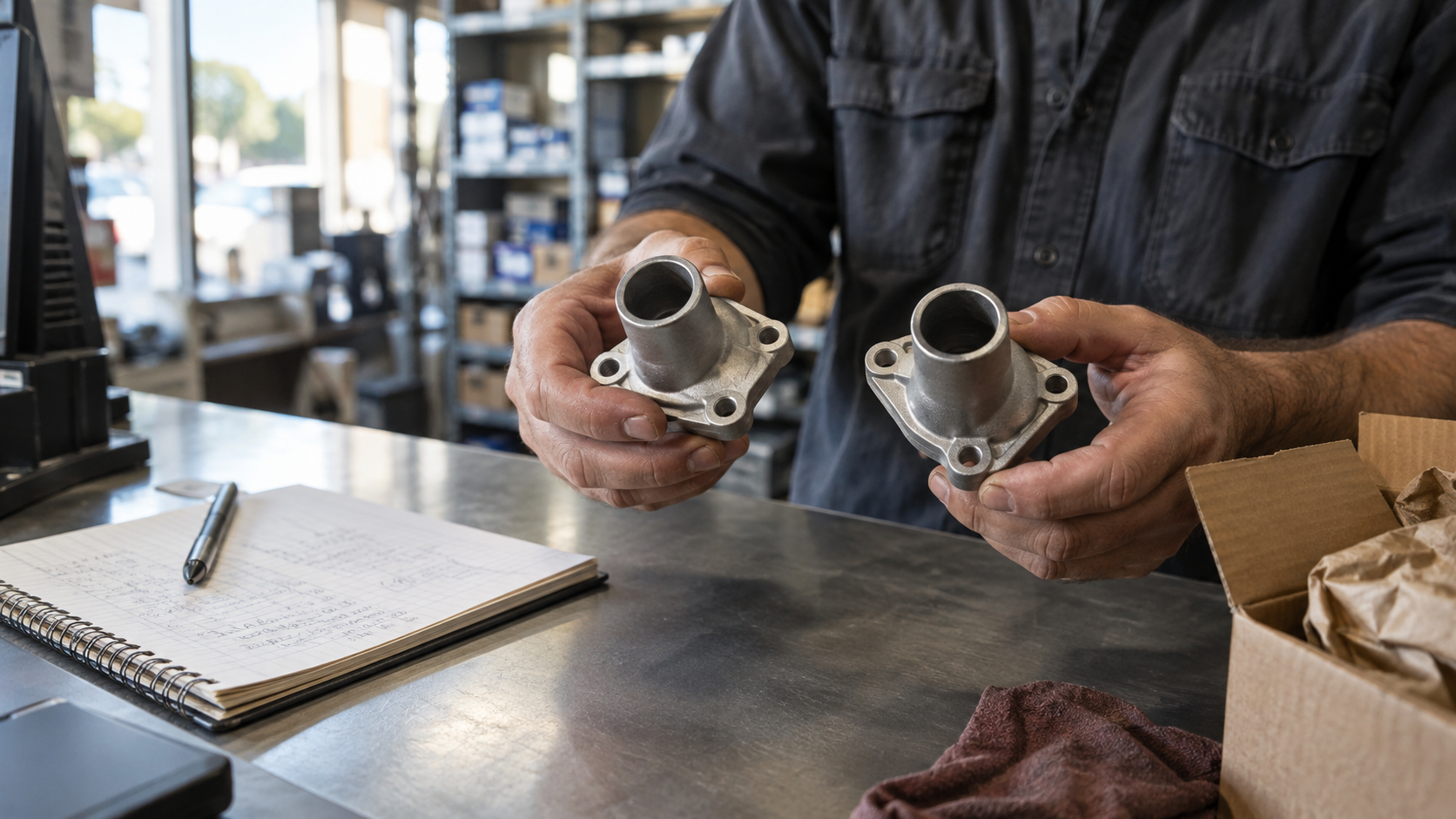
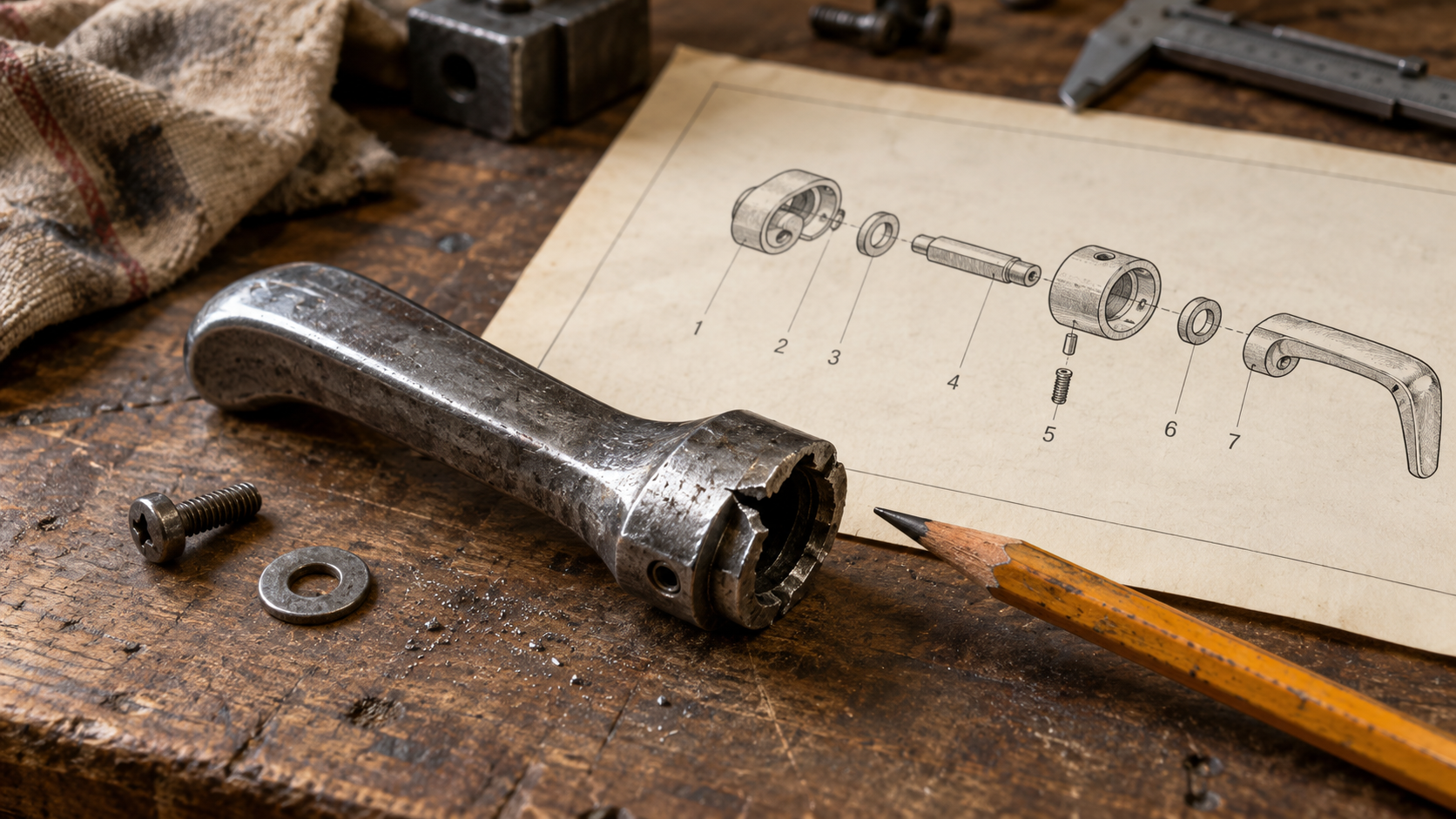
Imagine a discontinued handle with two versions of the surrounding assembly. The newer replacement fits one version directly, while the other requires advice before any recommendation.
The old page can state that the original is discontinued, identify the replacement and explain when to ask for help. A marked photograph could show which feature distinguishes the assemblies.
A visitor who recognises the suitable version can proceed with better information. Someone who cannot recognise it has a specific question to bring to the team.
The page hasn't guaranteed a fit. It has made the next step clearer.
I find that much more useful than leaving the old reference searchable while removing every explanation from its destination. Otherwise the customer reaches a correct dead end and has to begin again.
Give the information an owner
Status information needs maintenance. “Temporarily unavailable” becomes rather awkward when nobody expects the item back. A replacement link can also age as the catalogue changes.
Put a person or team against the review, and decide what prompts another check. A stock change, a new compatible option or repeated enquiry confusion can all be useful signals.
This is the unglamorous bit. It is also where a decent explanation quietly becomes a bloody nuisance if it is abandoned.
When measuring the page, distinguish an order from an advice request and an advice request from a useful replacement enquiry. The totals answer different questions.
The commercial opportunity may be modest. The customer's situation can still be important to them. A broken handle on equipment they intend to keep is not merely a historical search phrase.
Give the reference somewhere honest to lead.

A thought worth keeping?