There is a useful distinction between knowing what an item is and knowing what a customer will call it.
The catalogue knows the first. A person standing beside a broken unit may be working out the second.
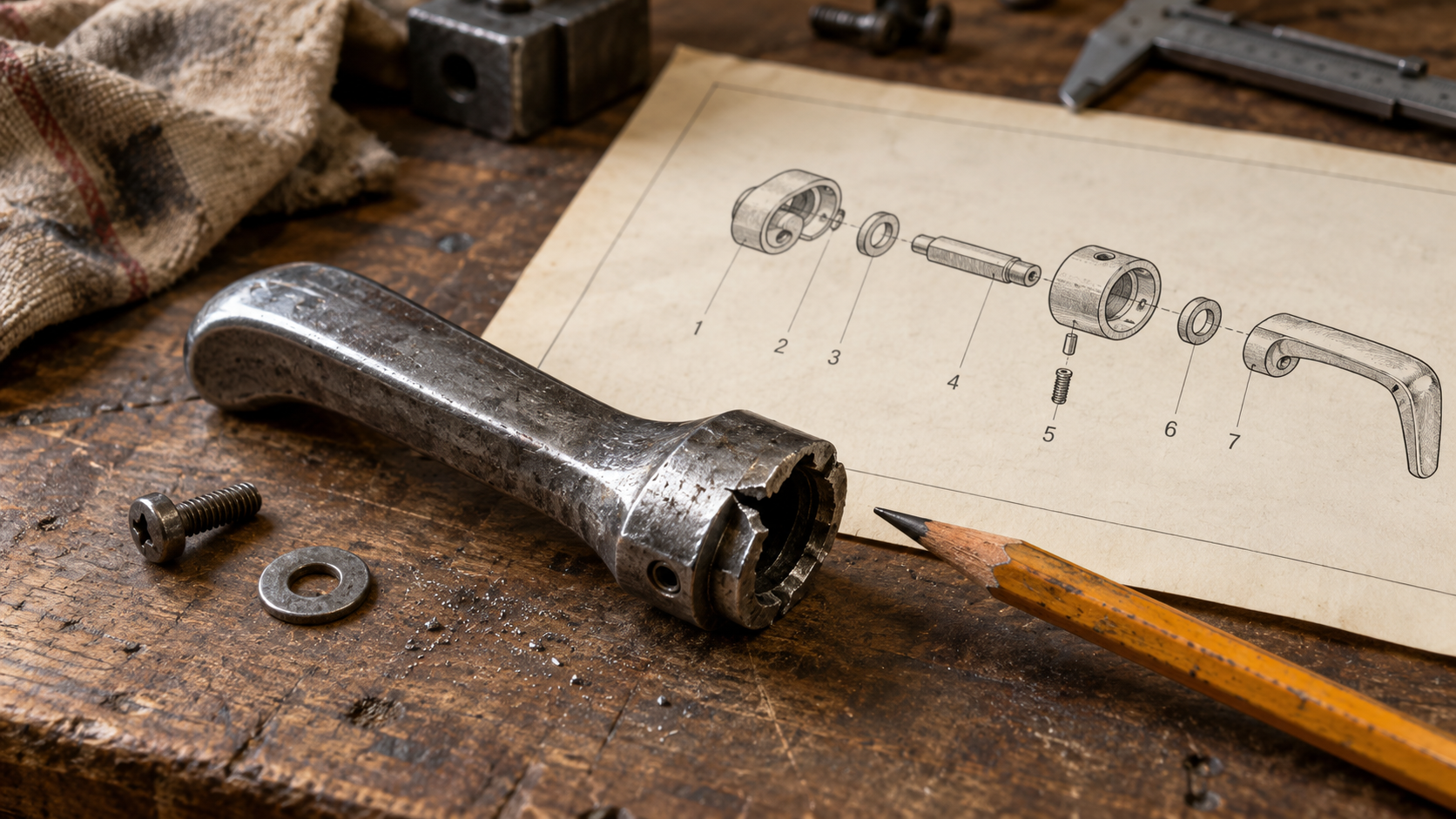
Suppose the correct description is “locking handle assembly.” The customer searches for a replacement handle, adds the equipment name, and perhaps includes “the long one.” None of that makes the catalogue wrong. It does show why a precise catalogue and a useful search campaign need a conversation.
I enjoy this kind of detail. It feels a little like translating between two people who already want the same thing.
Start beside the item
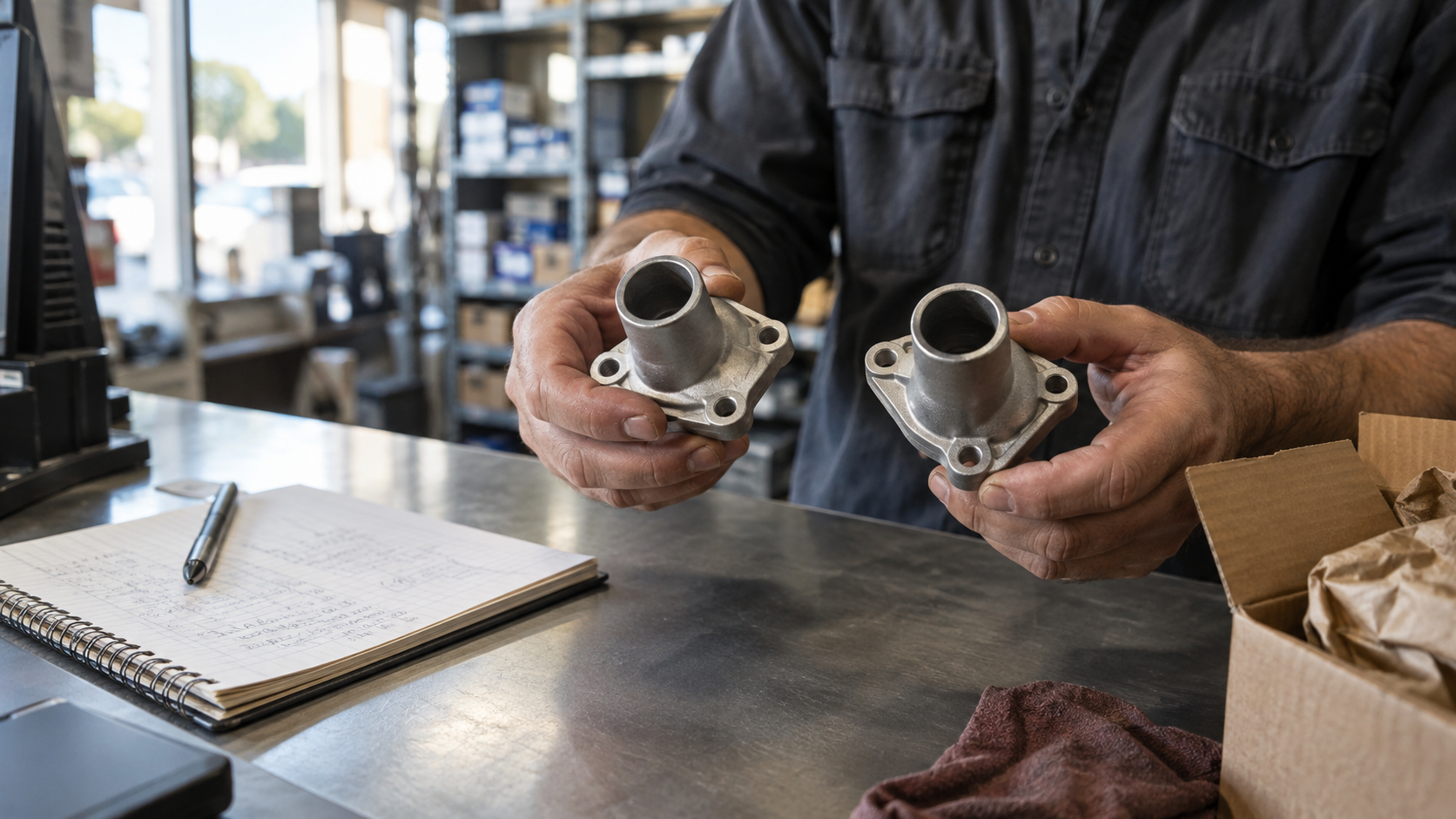
In a small workshop example, I put three descriptions next to one photograph: the formal catalogue title, the wording from an enquiry and the explanation a product colleague gave aloud.
The formal title was compact and exact. The enquiry described the fault and the equipment. The spoken explanation connected the two and added the characteristic that would help identify the correct version.
That third description was particularly valuable. It gave the page a way to welcome someone who did not yet know the product vocabulary.
Marketing can make a nuisance of itself here by simplifying too eagerly. A familiar term might cover several different parts. A friendly headline must not erase the distinction the customer needs to get right.
The aim is to connect the everyday description with the formal one, then give the reader enough detail to continue accurately.
A photograph showing the identifying feature may help. So may a short note saying where to find the model reference. The best choice depends on what the receiving team actually uses to distinguish the options.
Keep the useful differences visible
I would review a product family rather than tackle the entire catalogue at once. Which items produce questions? Which search phrases suggest uncertainty? Which characteristics decide the choice?
For the handles, length might be decisive. So might the mounting arrangement. A title can include a recognisable term, while the page presents those differences clearly beside the relevant images.
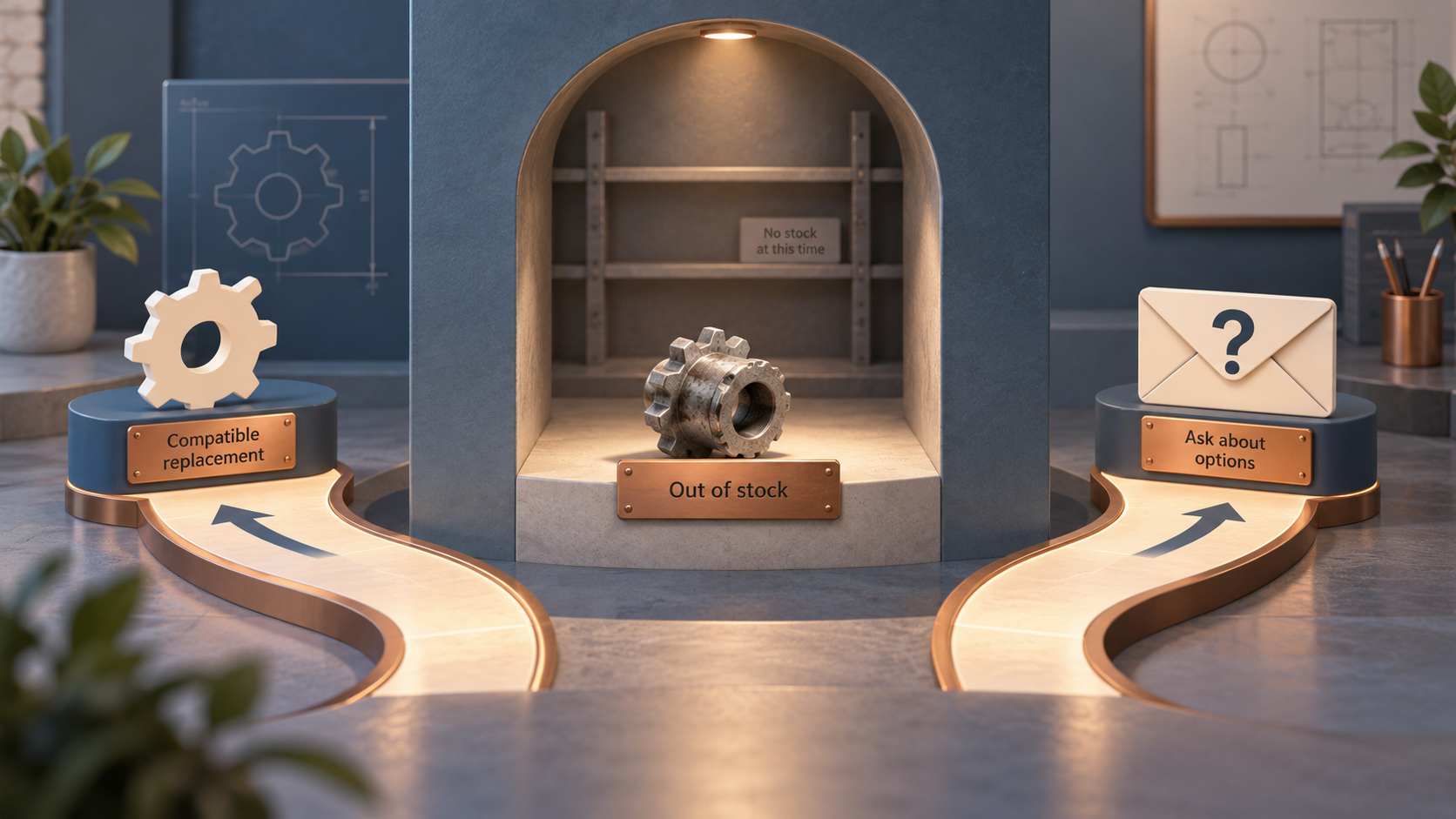
The enquiry route then has a practical role. Someone with an unusual installation can describe it, rather than being forced to select a version on the strength of a vague resemblance.
This is where the catalogue team's knowledge matters more than a grand list of marketing synonyms. They know which resemblance is misleading.
I once filled a working document with alternative descriptions and then discovered that two of my helpful phrases meant something different to the product team. That was a mildly embarrassing afternoon. It was also a damn good reason to have the review before changing the page.
A manageable translation record
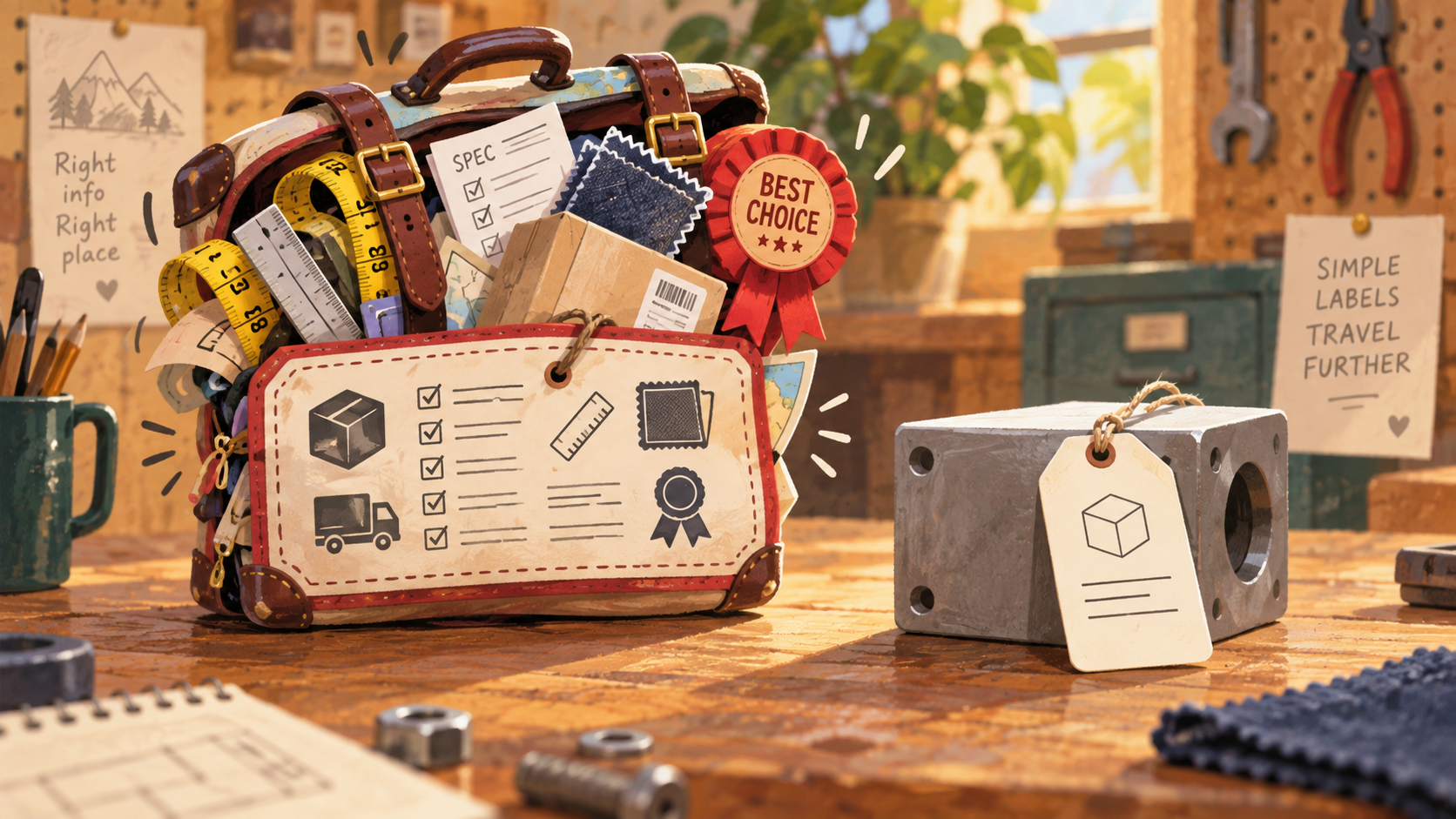
For each family, I would keep the formal name, a few verified customer descriptions, the characteristic that separates the options and the question that needs a person.
That record can inform advertisements and page copy without turning every title into a paragraph.
It should also be revisited. A new product version, a changed catalogue term or a recurring question can make the old wording less useful. The record is there to support the work, rather than freeze it.
When reviewing results, read a sample of the enquiries alongside the search phrases. More visits are encouraging only if the visitors are reaching an explanation that helps them recognise the right item or ask an answerable question.
Sometimes the improvement is modest: one photograph labelled more clearly, one sentence connecting the everyday term to the formal description.
I like those modest changes. They make a technically accurate catalogue easier to approach without asking it to become technically loose.

A thought worth keeping?